menu
menu


Maria Kozhevnikov: Boosting Human Cognition with Vajrayana Tantric Practices
Follow Us


Title
When
Where
Which meditation practices boost brain performance?
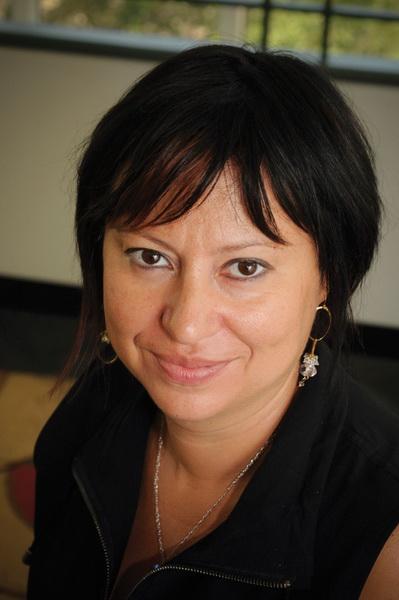
Join CSC for this talk by Maria Kozhevnikov, PhD about the effects of meditation on cognitive function. According to Kozhevnikov's research some types of meditation cause heightened alertness while others enhance relaxation. Kozhevnikov is an associate professor at the National University of Singapore and visiting associate professor at Harvard Medical School.
Talk details:
Phenomenological studies suggest the existence of enhanced cognitive states, termed flow or peak experiences, in which specific cognitive processes (e.g., attention, perception) can be dramatically increased for limited durations. Kozhevnikov will present new scientific evidence that shows that specific types of meditation that developed out of certain religious traditions such as Vajrayana (Tantric Buddhism) and Hindu Tantra lead to the enhanced cognitive states, characterized by heightened sympathetic activation (arousal) and phasic alertness (a significant temporary boost in focused attention). This is in contrast to the meditation practices (Shamatha, Vipassana) from other traditions such as Theravada and Mahayana that elicit the state of relaxation, characterized by heightened parasympathetic activity and tonic alertness (vigilance). The finding demonstrates the existence of enhanced cognitive states—the unique states of consciousness characterized by a dramatic boost in cognitive capacities, which could be accessed and consciously maintained by mastering Vajrayana Tantric practices.
See the study in PLOS ONE.